
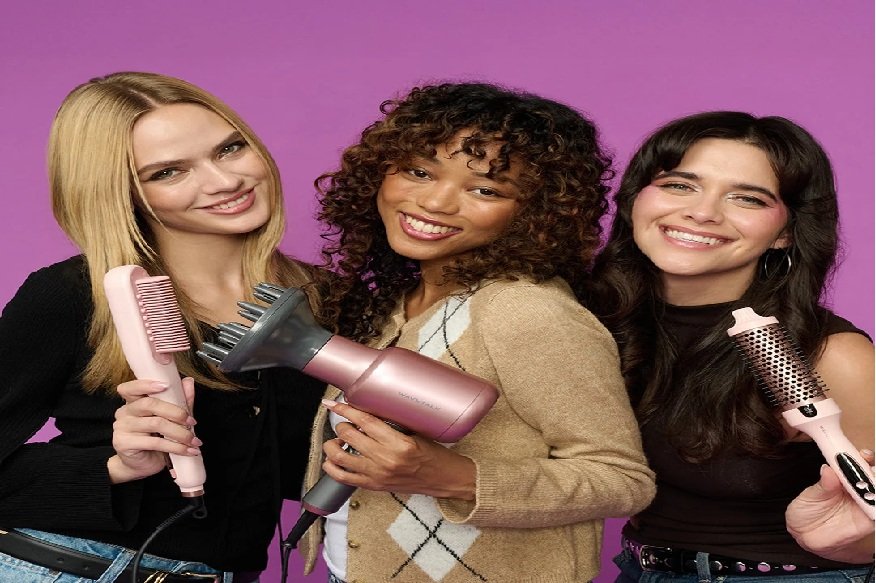
Straightening your hair can help you achieve a sleek, polished look, but using the wrong temperature may affect your hair’s appearance and manageability over time. Different hair types respond differently to heat, which is why selecting the appropriate setting is just as important as choosing a quality styling device. Understanding how heat interacts with your hair allows you to create long-lasting styles while maintaining healthier-looking strands.
Choosing the Right Hair Straightener
A hair straightener with adjustable temperature settings offers greater control over your styling routine. Instead of relying on one fixed heat level, you can customise the temperature according to your hair type and condition. Features such as ceramic or tourmaline plates also help distribute heat more evenly, reducing the likelihood of hot spots that may affect individual sections of hair.
Why Heat Settings Matter
Hair is made up of proteins that temporarily change shape when exposed to heat. Applying an appropriate temperature allows the hair to straighten effectively without requiring multiple passes. Excessively high heat may dry out the hair, while temperatures that are too low may not deliver the desired styling results, encouraging repeated straightening over the same section.
Finding the right balance helps create smoother styles while reducing unnecessary heat exposure.
Recommended Temperatures for Different Hair Types
Fine, thin, or chemically treated hair generally responds well to lower temperatures, typically between 120°C and 160°C. These hair types require less heat because they are often more delicate.
Normal or medium-textured hair usually styles effectively between 160°C and 180°C, offering a good balance between performance and protection.
Thick, coarse, or curly hair may require temperatures ranging from 180°C to 210°C. However, it is always advisable to begin at the lower end of the range and increase the heat only if necessary.
Prepare Hair Before Styling
Heat styling always works best on clean, completely dry hair. Moisture trapped within the hair shaft can cause unnecessary stress when exposed to high temperatures. Applying a heat protectant before straightening creates a protective layer that helps minimise direct heat exposure while improving the smoothness of the finished style.
Dividing your hair into manageable sections also ensures more even straightening with fewer passes.
Use Hair Styling Tools Correctly
Modern hair styling tools are designed to make styling more efficient, but proper technique is equally important. Glide the straightener smoothly from the roots to the ends without pausing in one place for too long. Avoid repeatedly straightening the same section unless absolutely necessary, as excessive heat exposure can affect the hair’s natural texture over time.
Working with smaller sections often delivers better results than attempting to straighten large portions of hair at once.
Signs Your Temperature Needs Adjusting
If your hair straightens easily with one or two passes, your chosen temperature is likely appropriate. However, if you need several passes to achieve a smooth finish, a slight increase in heat may improve efficiency.
Conversely, if your hair feels unusually dry, appears dull, or develops excessive frizz after styling, reducing the temperature may help maintain its overall condition while still delivering effective results.
Final Thoughts
Choosing the correct heat setting is one of the most important aspects of safe and effective hair styling. Matching the temperature to your hair type helps achieve smoother results while reducing unnecessary heat exposure. Combined with proper preparation, suitable styling techniques, and quality tools, the right heat setting allows you to enjoy sleek, polished hair while supporting its long-term health and manageability.

1 Comments