
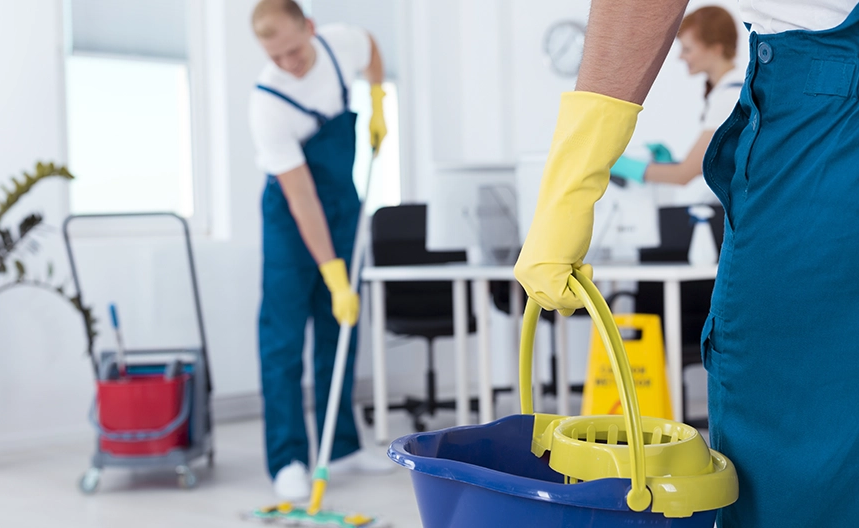
Keeping a workplace, school, hospital, hotel, or commercial building clean requires more than having a few cleaning products in a storage room. A proper janitorial supplies program helps organizations keep the right products available, control costs, maintain hygiene, and make cleaning work easier for employees.
A well-planned program should cover everything from basic cleaning chemicals to equipment, safety products, storage, and regular supply management.
- Basic Cleaning Supplies
The foundation of any janitorial supplies program is a reliable selection of everyday cleaning products. These may include glass cleaners, disinfectants, floor cleaners, bathroom cleaners, degreasers, and multi-purpose cleaners.
Different areas may require different products. For example, bathrooms need products designed to remove stains and germs, while floors may need cleaners suitable for specific surfaces such as tile, wood, or vinyl.
Read More: AI SEO Explained: How Artificial Intelligence Is Shaping Search Engine Optimization
The program should clearly identify which product is used for each cleaning task. This helps prevent incorrect use and protects surfaces from damage.
- Cleaning Tools and Equipment
Cleaning chemicals alone are not enough. Workers also need the right tools to complete their jobs efficiently.
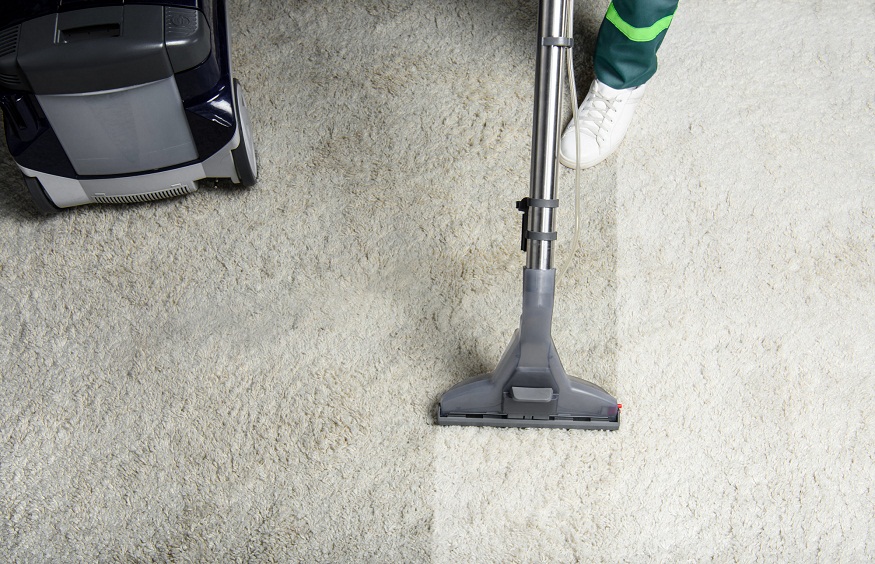
Common janitorial equipment includes mops, buckets, brooms, dustpans, microfiber cloths, brushes, squeegees, and vacuum cleaners. Larger facilities may also need floor scrubbers, carpet-cleaning machines, or other specialized equipment.
Choosing durable tools can reduce replacement costs and improve productivity over time.
- Disinfection and Hygiene Products
A good janitorial program should pay special attention to areas that receive frequent human contact. Door handles, light switches, desks, elevators, washrooms, and shared equipment may require regular cleaning and disinfection.
Hand soap, hand sanitizer, paper towels, tissues, and toilet supplies should also be included. Keeping these products consistently available supports good hygiene and creates a cleaner environment for employees, customers, visitors, and guests.
- Personal Protective Equipment
Cleaning staff often work with chemicals, waste, dust, and other materials. A janitorial supplies program should therefore include appropriate personal protective equipment (PPE).
Depending on the work, this can include gloves, protective eyewear, masks, aprons, and suitable footwear.
Employees should also receive basic training on how to use cleaning chemicals and protective equipment safely. Safety instructions should be easy to understand and available when needed.
- Proper Storage and Organization
Even the best cleaning supplies program can become inefficient if products are poorly stored.
Cleaning chemicals should be stored safely, clearly labeled, and separated when necessary. Supplies should be organized so employees can quickly find what they need.
A simple inventory system can help track frequently used products and identify items that need to be reordered. This reduces the chances of running out of important supplies unexpectedly.
- Inventory and Reordering System
Inventory management is an important part of a successful janitorial program. Organizations should know how much of each product they normally use and how frequently supplies need to be replaced.
Read More: How to Choose the Right Heat Setting on a Hair Straightener for Your Hair Type
Regular inventory checks can prevent both shortages and unnecessary overstocking. Businesses can also identify high-use products and negotiate better purchasing terms when ordering larger quantities.
- Sustainability
Modern janitorial programs should also consider environmental impact. Where practical, organizations can choose concentrated cleaning products, reusable microfiber materials, refillable dispensers, and products with environmentally preferable characteristics.
Reducing unnecessary packaging and water waste can also make cleaning operations more sustainable without compromising cleanliness.
- Training and Quality Checks
A janitorial program should include clear cleaning procedures and employee training. Staff should understand which products to use, how much product is needed, and how often different areas should be cleaned.
Regular inspections can help managers identify areas that need improvement. Feedback from cleaning teams can also reveal problems with products, equipment, or supply levels.
Conclusion
A successful janitorial supplies program is more than a list of cleaning products. It combines the right supplies, equipment, safety measures, storage practices, inventory controls, sustainability efforts, and employee training.
When these elements work together, organizations can maintain cleaner facilities, improve workplace safety, reduce unnecessary spending, and create a more comfortable environment for everyone who uses the building.
The key is to build a program around the facility’s actual cleaning needs rather than simply buying more supplies. A well-organized approach makes janitorial work more efficient and keeps essential supplies ready when they are needed.






1 Comments