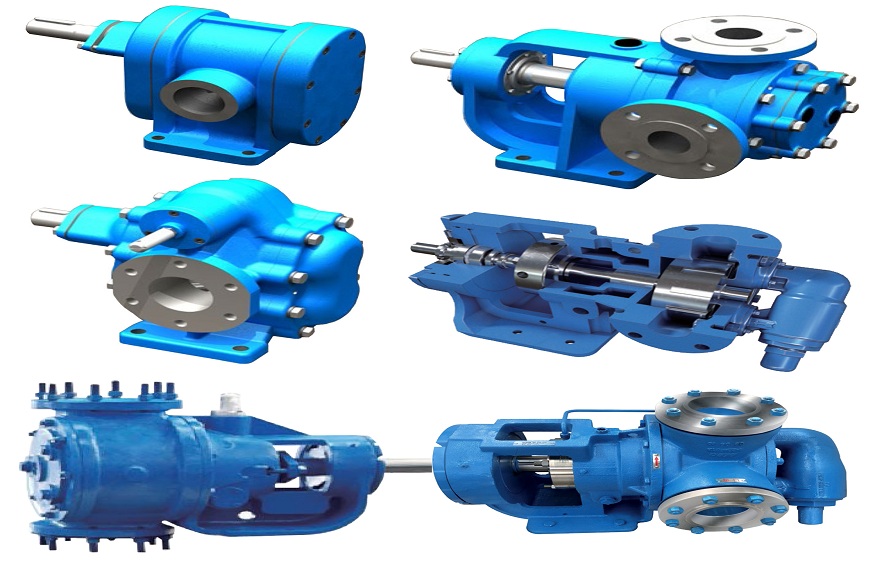
Property owners encounter pump technology in more places than most of them register consciously. The sump in the basement. The well system. The irrigation timer for the garden. The pool circulation equipment. The circulator in the boiler system. All pumps. All different types selected for different operating conditions. Knowing which type is which becomes practically useful the day one of them fails and the replacement decision has to be made without weeks of research time.
1. Centrifugal Pumps
The most common type in residential and light commercial use. A rotating impeller creates flow through centrifugal force. Simple, reliable, available in configurations that cover most water movement tasks. The practical limitation: they do not self-prime reliably, meaning they work best when the fluid source is at or above the pump location. Below-grade water sources generally require a different approach.
2. Jet Pumps
Jet pumps use a venturi effect to draw water from a well or cistern. Shallow well versions work to about twenty-five feet. Deep well versions position the ejector in the well rather than at the surface and reach considerably further. Pumpbiz stocks both configurations along with the pressure tanks and pressure switches that complete a functional well pressure system. For properties drawing from a well, this is the equipment category that determines daily water pressure, and getting the sizing wrong has immediate practical consequences.
3. Submersible Pumps
Designed to operate fully underwater. The motor is sealed, the pump operates without priming because the fluid surrounds it, and pushing from below is more efficient than pulling from above. Well pumps, sump pumps, and pond circulation pumps are all submersible types. The tradeoff is that servicing requires removal from the installation, which ranges from straightforward for a sump pump to a significant undertaking for a deep well pump.
Read More: Why Dublin Homeowners Trust Happy Clean for Premium Carpet Cleaning Services
4. Diaphragm Pumps
A flexible membrane creates suction and discharge without the fluid ever contacting the drive mechanism. This sealed fluid path makes diaphragm pumps the correct choice for chemical transfer, abrasive slurries, and fluids that cannot be exposed to contamination from pump internals. They self-prime, they can run dry briefly without damage, and they handle viscous or aggressive materials that would destroy other pump types within hours.
Not a common residential pump type. Very much the right answer in the specific applications where it belongs.
5. Circulation Pumps
Also called circulators. These move heated water continuously through a closed hydronic heating system. Low pressure, low flow rate, continuous operation. The failure mode is simple: no circulator means no heat distribution, which in a cold climate is an urgent problem rather than a convenience issue. Modern circulators are high-efficiency designs that consume a small fraction of the power of older models.
Read More: Choosing the Right Water Softener for Home Efficiency and Comfort
Replacing an aging circulator proactively is one of the higher-return maintenance investments in a hydronic heating system.
Conclusion
Centrifugal, submersible, jet, diaphragm, and circulation. Five types that cover the majority of residential and light commercial pump applications. Knowing which type applies to which situation converts a potentially confusing equipment decision into a practical match between application requirements and product specifications.