Skip to content
Thursday, October 8
  • Education
  • Technology
  • Lifestyle
  • Business
  • Home Improvement
  • Health
  • Travel
thearticlepost

My Blog

My WordPress Blog

thearticlepost

My Blog

My WordPress Blog

  • Auto
  • Business
    • Finance
    • Loan
    • Insurance
    • Law
  • Health
  • Home
    • Real Estate
  • Lifestyle
    • Fashion
    • Shopping
    • Gift
    • Food
  • Tech
    • Digital Marketing
  • Contact Us
  • Auto
  • Business
    • Finance
    • Loan
    • Insurance
    • Law
  • Health
  • Home
    • Real Estate
  • Lifestyle
    • Fashion
    • Shopping
    • Gift
    • Food
  • Tech
    • Digital Marketing
  • Contact Us
Trending Now
  • Water Filters vs. Water Purifiers: What’s the Real Difference?
  • Understanding Wholesale Licensing Requirements for North Carolina Businesses
  • What Does Digital Marketing Cost for Healthcare Companies?
  • What Should a Janitorial Supplies Program Include?
  • AI SEO Explained: How Artificial Intelligence Is Shaping Search Engine Optimization
  • How to Choose the Right Heat Setting on a Hair Straightener for Your Hair Type
Home>>Business>>What Are Fire-Rated Cables and Why Are They Mandatory in Australian Buildings?
Fire-Rated Cables
Business

What Are Fire-Rated Cables and Why Are They Mandatory in Australian Buildings?

adminJuly 14, 20250
1,278 Views

When planning electrical installations for Australian buildings, there’s one element that often doesn’t get much attentionuntil it’s urgently needed. Fire-rated cables aren’t just another box to tick on a compliance list. They are a requirement designed to keep people safe and systems running when it matters most. Whether you’re managing a commercial site, an apartment block, or a high-rise development, these cables play a significant role in protecting lives and infrastructure during a fire.

So, what are fire-rated cables, and why does Australian regulation make them mandatory in certain buildings? Let’s break it down.

What Are Fire-Rated Cables?

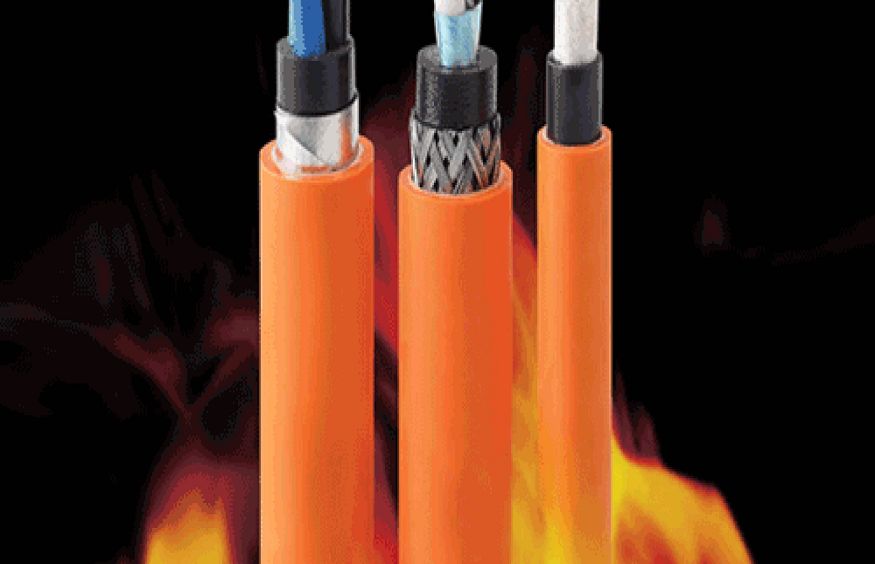
 That means they continue to operate under extreme heat and smoke for a set period. These cables support emergency systems such as fire alarms, emergency lighting, smoke control, and sprinkler pumps. Their job is to keep power flowing to the systems that help people evacuate safely or assist emergency responders in controlling the situation.

Unlike standard cables that can fail quickly when exposed to heat, fire-rated ones have insulation and sheathing materials that resist high temperatures. Some are even designed to operate for up to two hours during fire conditions, giving building occupants the time they need to exit safely.

Why Are They Mandatory in Australia?

Australian fire safety regulations require fire-rated cables in buildings where emergency systems must continue to function during a fire. This includes places with high occupancy, limited evacuation routes, or critical operations that can’t afford system failure. The National Construction Code (NCC) and relevant Australian Standards outline where and how these cables must be used.

For example, cables powering exit signs, smoke exhaust fans, and fire detection systems must remain functional for a certain time. Without them, evacuation paths could go dark, alarms might not sound, and sprinkler systems could stop working.

Different Types of Fire-Rated Cables in the Market

There are several options available depending on the building type and system requirements.

  • Flat white stripe cables  Their flat profile allows them to be installed discreetly and efficiently, especially in modern architectural designs. Explore more about flat white stripe cables.
  • 2hr fire rated cables are ideal for settings where extended operation during a fire is needed. These are typically installed in high-rise buildings or critical infrastructure where emergency systems must perform for longer periods under heat. Learn more about 2hr fire rated cables.
  • TPS cables (tough plastic sheath cables) are common in Australian electrical systems. Fire-rated versions of these are available for use in situations where enhanced fire resistance is necessary. Check out available TPS cables.
  • For general needs, you’ll find a full range of certified fire rated cables designed to meet Australian Standards, ensuring they perform when needed.

How to Know What You Need

Not every cable in a building needs to be fire-rated. The choice depends on the building classification, occupancy type, and the function of the system being powered. For instance, power to the foyer lighting in a residential building may not require fire-rated cables, but the emergency stairwell lighting certainly will.

The best way to determine what’s required is through a fire safety schedule issued by a building certifier or consultant. This document outlines what systems need protection and how long they need to operate in the event of a fire.

Common Compliance Mistakes

Many builders and contractors make the mistake of treating fire-rated cable installation as a last-minute add-on. In reality, proper planning during the early design stage saves money and helps avoid retrofit complications later.

Another issue is using uncertified or non-compliant products. Cables must meet strict performance standards such as AS/NZS 3013:2005 and should be tested and approved by third-party certifiers. Always request documentation to confirm compliance before installation.

Installation Tips

Installation of fire-rated cables isn’t just about the cable itself. The way it’s mounted, protected, and terminated affects its performance during a fire. Fixing systems must also be rated to withstand fire for the same duration. Incorrect fixing or mixing compliant and non-compliant accessories can compromise the entire setup.

For any commercial or large-scale project, it’s best to engage a qualified fire safety consultant or electrical engineer familiar with these requirements.

Why Quality Matters

When it comes to fire protection, cutting corners can have devastating outcomes. Quality cables with proper certification may come at a higher upfront cost, but the safety and peace of mind they provide are well worth the investment.

Beyond just meeting standards, they perform reliably under stress, resist interference, and support uninterrupted evacuation and fire response. In many cases, it’s this reliable performance that prevents small incidents from becoming disasters.

Fire-rated cables are a safety requirement, not a luxury. Their role in keeping critical systems running during an emergency is too important to overlook. Whether you’re specifying products for a new build or reviewing an older system, choosing the right cables mattersand so does making sure they’re installed correctly.

When in doubt, consult a fire safety expert and source your cables from reputable suppliers who provide certification and documentation. It’s one of the simplest ways to contribute to a safer built environment.
Previous Post

Sustainability Starts with Smarter Systems

industrial IoT solutions

Next Post

Avoiding Fines: Fire Extinguisher Maintenance Mistakes That Can Cost You

fire extinguisher service

Related Articles

Trillium Gold Mines Business

Reasons and Benefits of Building a Mining Company

Diversity and Inclusion Business

Diversity and Inclusion: Building a Workforce That Reflects the World

Employees Business

Five Tips on Setting Expectations for Employees

Healthy When Working from Home Business

Tips to Help You Stay Healthier When Working from Home

Nickel Supplier Business

The Benefits Of Being A Nickel Supplier In The United Kingdom

Leave a Reply Cancel reply

You must be logged in to post a comment.

Recent Posts

  • Water Filters vs. Water Purifiers: What’s the Real Difference?
  • Understanding Wholesale Licensing Requirements for North Carolina Businesses
  • What Does Digital Marketing Cost for Healthcare Companies?
  • What Should a Janitorial Supplies Program Include?
  • AI SEO Explained: How Artificial Intelligence Is Shaping Search Engine Optimization
  • How to Choose the Right Heat Setting on a Hair Straightener for Your Hair Type
  • How Commercial Water Filters Improve Water Quality and Business Efficiency
  • 5 Essential Pump Types Every Property Owner Should Know About


Archives

  • October 2026 (1)
  • September 2026 (5)
  • June 2026 (2)
  • May 2026 (2)
  • April 2026 (2)
  • March 2026 (3)
  • February 2026 (1)
  • January 2026 (1)
  • December 2025 (3)
  • November 2025 (1)
  • October 2025 (1)
  • September 2025 (5)
  • August 2025 (1)
  • July 2025 (5)
  • June 2025 (10)
  • May 2025 (5)
  • April 2025 (2)
  • March 2025 (4)
  • February 2025 (1)
  • January 2025 (4)
  • December 2024 (4)
  • November 2024 (5)
  • October 2024 (3)
  • September 2024 (4)
  • August 2024 (1)
  • July 2024 (1)
  • June 2024 (4)
  • May 2024 (2)
  • April 2024 (6)
  • March 2024 (6)
  • February 2024 (2)
  • January 2024 (1)
  • December 2023 (5)
  • November 2023 (6)
  • October 2023 (6)
  • September 2023 (8)
  • August 2023 (4)
  • July 2023 (6)
  • June 2023 (9)
  • May 2023 (1)
  • April 2023 (9)
  • March 2023 (6)
  • February 2023 (2)
  • January 2023 (6)
  • December 2022 (3)
  • November 2022 (2)
  • October 2022 (4)
  • September 2022 (4)
  • August 2022 (8)
  • July 2022 (4)
  • May 2022 (7)
  • April 2022 (4)
  • March 2022 (7)
  • February 2022 (4)
  • January 2022 (7)
  • December 2021 (20)
  • November 2021 (7)
  • October 2021 (6)
  • September 2021 (3)
  • August 2021 (13)
  • July 2021 (10)
  • June 2021 (15)
  • May 2021 (3)
  • April 2021 (2)
  • March 2021 (2)
  • February 2021 (3)
  • January 2021 (1)
  • December 2020 (1)
  • November 2020 (1)

Category

Auto Beauty Business Digital Marketing Education Entertainment Fashion Finance Food Gift Health Home Improvement Insurance Investment Jewelry Law Lifestyle Loan Pets Real Estate Service Shopping Society Sports Technology Trading Travel

Recent Random

  • Water Filters vs. Water Purifiers: What’s the Real Difference?
  • Understanding Wholesale Licensing Requirements for North Carolina Businesses
  • What Does Digital Marketing Cost for Healthcare Companies?
  • What Should a Janitorial Supplies Program Include?
  • AI SEO Explained: How Artificial Intelligence Is Shaping Search Engine Optimization


Recent Posts

  • Water Filters vs. Water Purifiers: What’s the Real Difference?
  • Understanding Wholesale Licensing Requirements for North Carolina Businesses
  • What Does Digital Marketing Cost for Healthcare Companies?
  • What Should a Janitorial Supplies Program Include?
  • AI SEO Explained: How Artificial Intelligence Is Shaping Search Engine Optimization

Recent News

  • Water Filters vs. Water Purifiers: What’s the Real Difference?
  • Understanding Wholesale Licensing Requirements for North Carolina Businesses
  • What Does Digital Marketing Cost for Healthcare Companies?
  • What Should a Janitorial Supplies Program Include?
  • AI SEO Explained: How Artificial Intelligence Is Shaping Search Engine Optimization

Cateogry News

  • Auto (9)
  • Beauty (6)
  • Business (46)
  • Digital Marketing (4)
  • Education (19)
  • Entertainment (6)
  • Fashion (7)
  • Finance (11)
  • Food (8)
  • Gift (7)
  • Health (20)
  • Home Improvement (43)
  • Insurance (5)
  • Investment (3)
  • Jewelry (4)
  • Law (1)
  • Lifestyle (20)
  • Loan (13)
  • Pets (5)
  • Real Estate (3)
  • Service (3)
  • Shopping (3)
  • Society (1)
  • Sports (6)
  • Technology (41)
  • Trading (5)
  • Travel (9)

Random News

  • Water Filters vs. Water Purifiers: What’s the Real Difference?
  • Understanding Wholesale Licensing Requirements for North Carolina Businesses
  • What Does Digital Marketing Cost for Healthcare Companies?
  • What Should a Janitorial Supplies Program Include?
  • AI SEO Explained: How Artificial Intelligence Is Shaping Search Engine Optimization

Contact Us

Contact Us

© 2026 My Blog | WordPress Theme Ultra Seven
  • Contact Us
  • Home